A website or mobile app should do more than look attractive. It should help people find information, understand your offer, and complete important tasks without unnecessary friction. For businesses investing in digital growth, choosing the right UI/UX design company in Pakistan can help create digital experiences that serve both user needs and business objectives.
From responsive websites and e-commerce stores to mobile applications, effective UI/UX design brings together usability, visual consistency, and a clear customer journey. The goal is not simply to make a digital product look modern, but to make it easier for people to use.
At Expando, we combine website strategy, user experience planning, responsive design, and development to create digital platforms built around business goals. This guide explains the services, process, benefits, and considerations that matter when choosing a UI/UX design partner.
What Does a UI/UX Design Company Do?
A UI/UX design company plans how a website or application looks, feels, and works. UI and UX are closely connected, but each focuses on a different part of the user’s experience.
User Interface (UI) Design focuses on visual elements such as typography, colours, buttons, forms, menus, icons, and page layouts.
User Experience (UX) Design focuses on the complete journey. It considers how people find information, move between screens, complete tasks, and respond to potential obstacles.
For example, an online store may have attractive product pages but a confusing checkout process. UI design helps make the interface clear and consistent, while UX design examines the shopping journey and identifies where customers may struggle.
Both disciplines work together to create a digital experience that is visually consistent, easy to navigate, and aligned with user expectations.
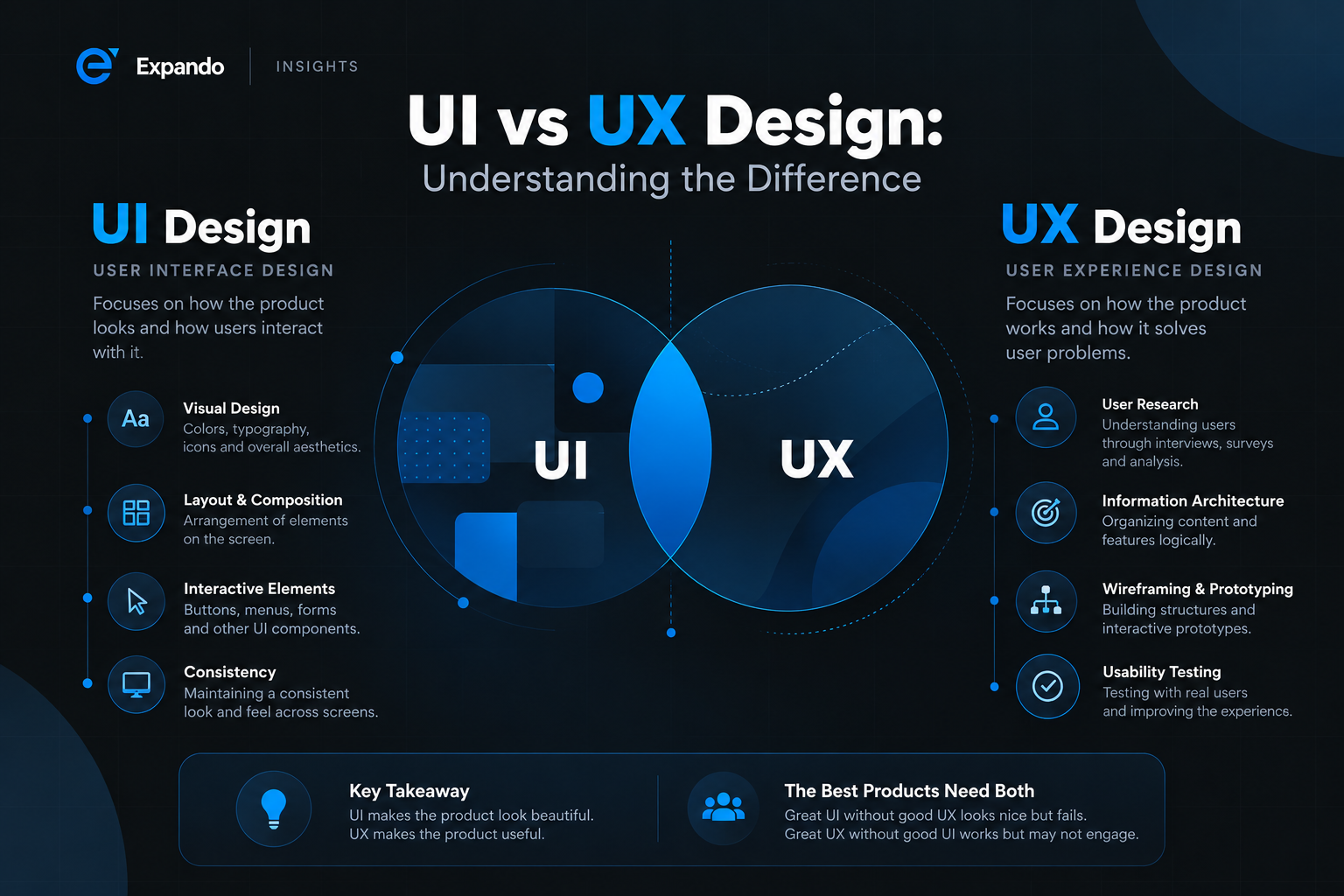
UI vs UX Design: What’s the Difference?
UI and UX design work together to create effective digital experiences, but each serves a different purpose. UI focuses on how a website or app looks, while UX focuses on how easily users can navigate and interact with it. The table below highlights the key differences.
| UI Design | UX Design |
|---|---|
| Focuses on visual presentation | Focuses on the overall user journey |
| Covers typography, colours, layouts, and interface elements | Covers research, navigation, user flows, and usability |
| Defines how interactive elements look | Defines how users move through tasks |
| Supports visual consistency | Helps identify friction and usability problems |
Neither discipline works in isolation. A visually polished interface can still frustrate users if its structure is confusing, while a well-planned journey needs a clear interface to communicate effectively.
UI/UX Design Services in Pakistan
The right services depend on your business model, target audience, existing platform, and project goals. A startup may need a complete interface for a new product, while an established business may benefit from improving a website’s navigation or checkout journey.
Website UI/UX Design
Website UI/UX design combines visual presentation with clear information architecture. The aim is to help visitors understand your business, explore your services, and take the next step.
Typical deliverables may include responsive page layouts, navigation planning, visual hierarchy, form design, calls to action, and consistent interface components.
For Pakistani businesses, mobile usability is particularly important. Visitors should be able to read content, find contact information, and complete key actions comfortably across different screen sizes.
Mobile App UI/UX Design
Mobile applications need intuitive navigation and interactions that work well on smaller screens. Users should be able to understand the interface and complete important tasks without unnecessary steps.
Depending on the project, services can include user journey mapping, wireframes, high-fidelity screens, interactive prototypes, and interface specifications for development.
For example, a booking app should guide users through selecting a service, choosing a time, providing relevant details, and confirming their booking.
E-commerce UX and Conversion Optimization
E-commerce UX focuses on helping shoppers move from product discovery to checkout with fewer obstacles.
Depending on the store, improvements may include clearer product categories, useful filters, better product information, visible delivery and return details, and a more straightforward checkout journey.
For businesses using Shopify or other e-commerce platforms, these improvements should be considered alongside mobile usability, page speed, payment options, and customer trust. A well-structured shopping experience helps customers understand their options and complete purchases more easily. However, conversion performance should be measured using actual store data rather than assumed results.
Wireframing, Prototyping, and Design Systems
Wireframes establish the structure of a page or application before detailed visual styling begins. They help teams plan content, navigation, and key interactions.
Interactive prototypes connect screens into a testable journey. They allow stakeholders to review the proposed experience before development begins.
Design systems provide reusable components, typography rules, colours, spacing, and interaction patterns. These standards help maintain consistency as a digital product grows.
Together, these deliverables help clarify design decisions and support collaboration between designers and developers.
How Good UI/UX Design Supports Business Growth
Effective design solves practical user problems rather than focusing only on appearance. Its impact depends on the product, implementation, audience, and how performance is measured.
A More Usable Customer Experience
Clear navigation, readable content, consistent controls, and predictable interactions help users understand what to do next. When information is easy to find, visitors can focus on their goals instead of working out how the website operates.
Better Conversion Opportunities
Confusing forms, unclear pricing, and complicated checkout steps can create friction. Reviewing these journeys can help businesses identify barriers that prevent users from submitting enquiries or completing purchases.
Relevant measurements include form completion, checkout abandonment, successful task completion, and conversion rate. Improvements should be assessed using actual performance data rather than assumed results.
For example, Expando’s Tri Gold Packaging case study demonstrates how website structure can support a clearer customer journey. The project organised product and service information and made quotation and contact pathways easier to identify, helping business buyers understand the offering and take the next step.
Stronger Brand Consistency
Consistent typography, colours, imagery, and interface components help a brand present a recognisable experience across its digital touchpoints.
Expando’s Saya Corp case study demonstrates how brand identity, visual guidelines, and website development can work together to establish a consistent brand presence. It is an example of coordinated branding and website work, rather than a measured UX testing result.
Easier Maintenance and Future Improvements
Reusable components and documented design rules help teams maintain consistency when new pages or features are introduced. Identifying usability problems during planning can also reduce avoidable rework during development.
The benefit depends on project complexity, the quality of implementation, and how well designers and developers collaborate.
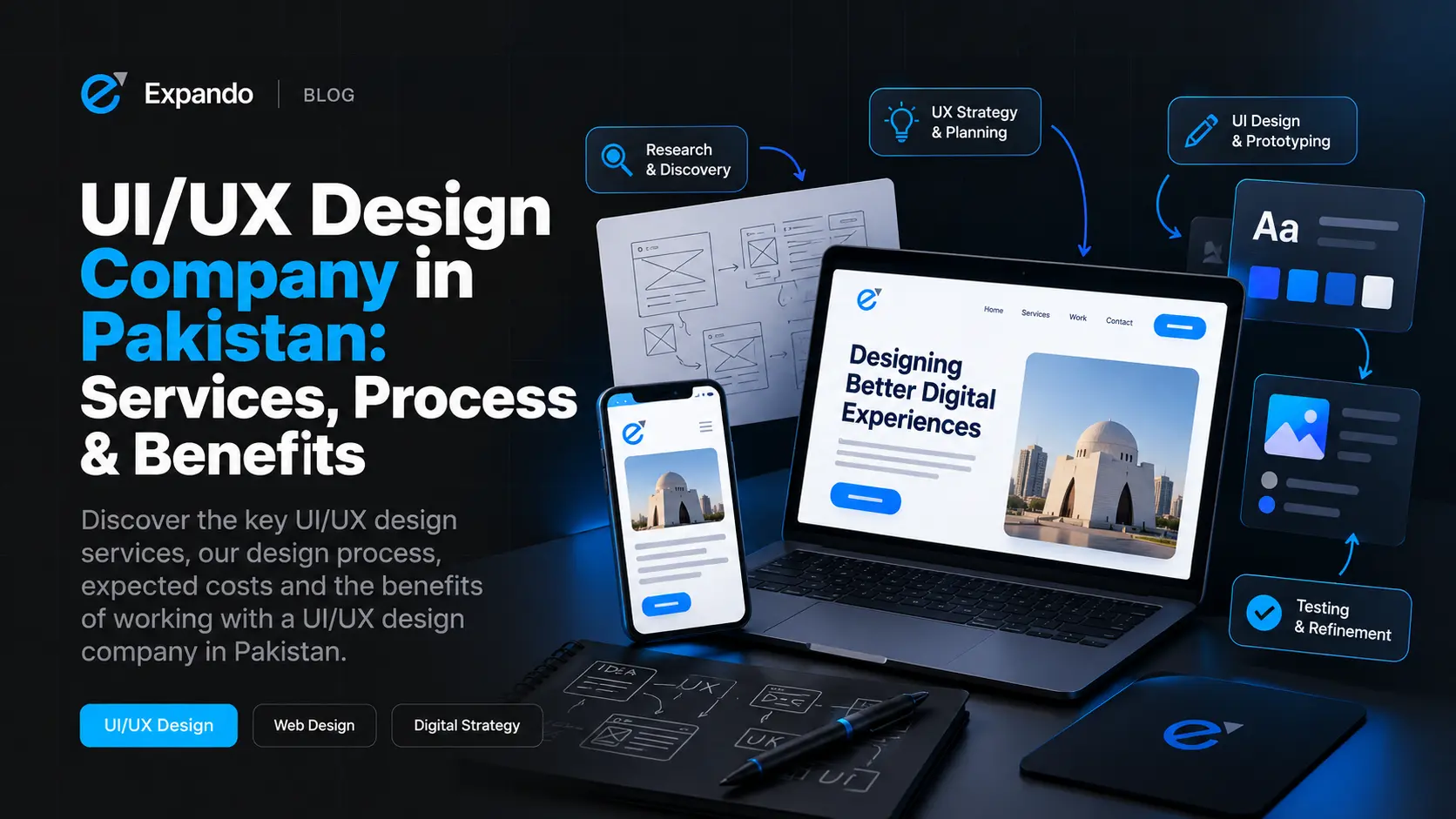
Our UI/UX Design Process
A structured design process connects business requirements with user needs and development constraints. The exact workflow depends on the project, but these stages provide a useful starting point.
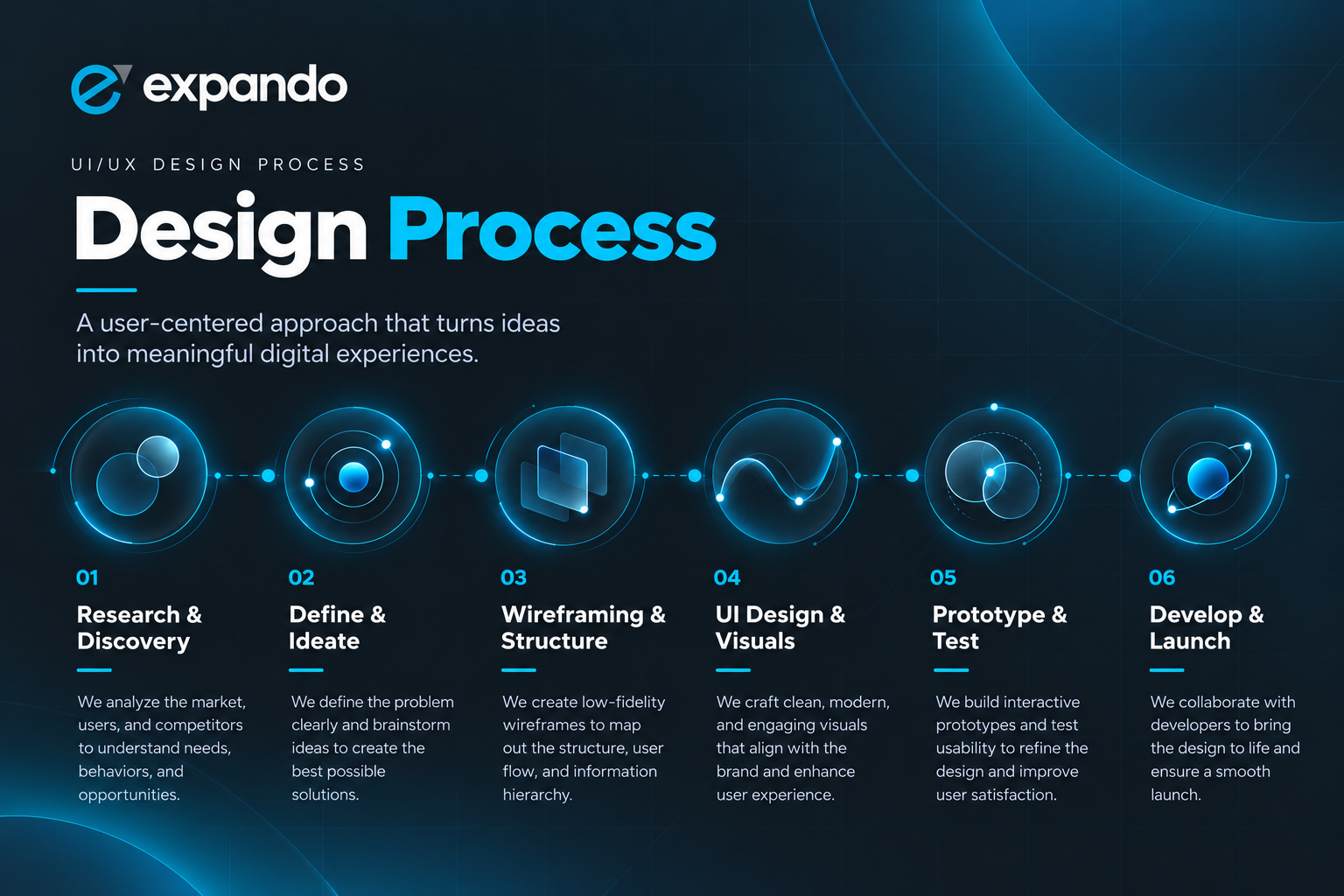
1. Discovery and User Research
The first step is to understand the business, target audience, product goals, and the problems the design needs to solve.
This may involve stakeholder discussions, reviewing the existing website or application, examining available analytics, and identifying important user tasks.
2. User Flows and Wireframes
The team maps how users should move through the product. Wireframes establish the structure of key screens before detailed visual styling begins.
This stage helps identify missing information, unnecessary steps, and confusing navigation while changes are still easier to make.
3. Interface Design and Prototyping
The approved structure is developed into detailed interface designs that reflect the brand’s visual identity.
Designers define typography, colours, layouts, components, and interaction states. Clickable prototypes can then demonstrate how users move between screens and interact with important features.
4. Usability Testing and Refinement
Testing helps determine whether users can understand the interface and complete important tasks. Depending on the project, this may involve prototype walkthroughs, usability sessions, stakeholder reviews, or analysis of an existing product’s behaviour.
Findings help teams prioritise improvements before implementation.
5. Developer Handoff and Implementation Review
Final designs are organised for development, including relevant assets, component specifications, responsive layouts, and interaction details.
Designers and developers should clarify how elements behave across different screen sizes and states. Where the project scope allows, reviewing the implemented interface helps identify differences between the approved design and the finished product.
How to Choose the Right UI/UX Design Company in Pakistan
Choosing a design partner involves more than comparing portfolios or visual styles. Businesses should assess whether a company understands their requirements and can explain how its design decisions will address them.
-
Relevant portfolio: Look for projects similar to yours and assess usability, responsiveness, and consistency.
-
Clear process: Ask how the team gathers requirements, develops wireframes, reviews prototypes, and incorporates feedback.
-
Defined deliverables: Confirm whether the project includes research, interface designs, prototypes, documentation, and developer handoff.
-
Development collaboration: Check whether designs account for technical requirements and implementation constraints.
-
Testing and measurement: Ask how usability issues will be identified and how success will be evaluated.
-
Transparent scope: Understand the number of screens, revision process, timeline, responsibilities, and support included in the proposal.
The right partner is the one whose expertise, working process, and deliverables match your project requirements and budget.
Why Choose Expando for UI/UX Design?
Expando is a digital agency based in Karachi, Pakistan, offering website development, e-commerce solutions, and related digital services. Our approach connects website strategy and user experience planning with the technical requirements of implementation.
Our web development services include UX planning, responsive UI/UX design, custom development, quality assurance, and post-launch support.
Our relevant project work also illustrates how design decisions fit into wider business requirements:
Tri Gold Packaging
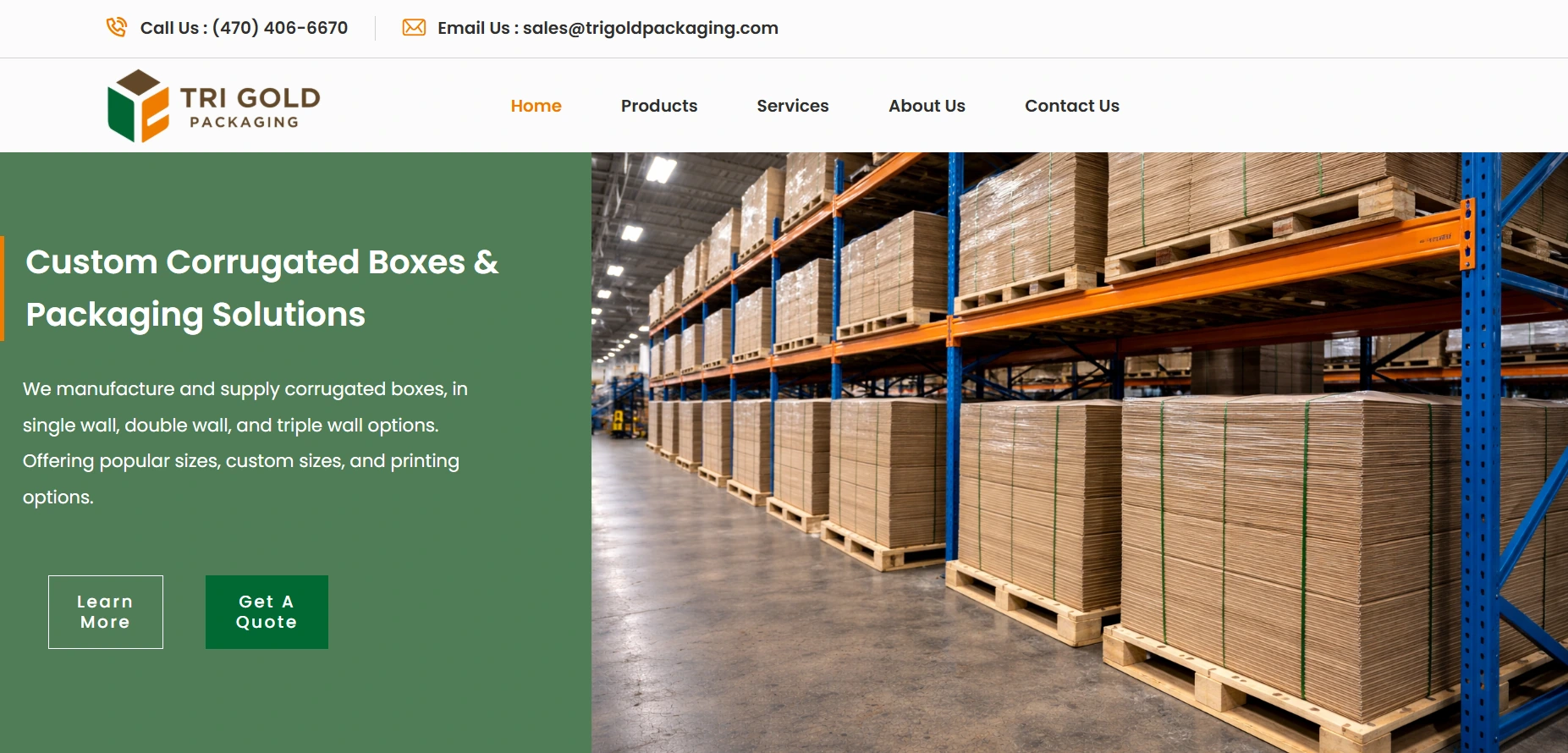
Our website development case study shows how structured product information, clear navigation, and visible quotation pathways can support a more usable B2B website experience.
Fitness Depot
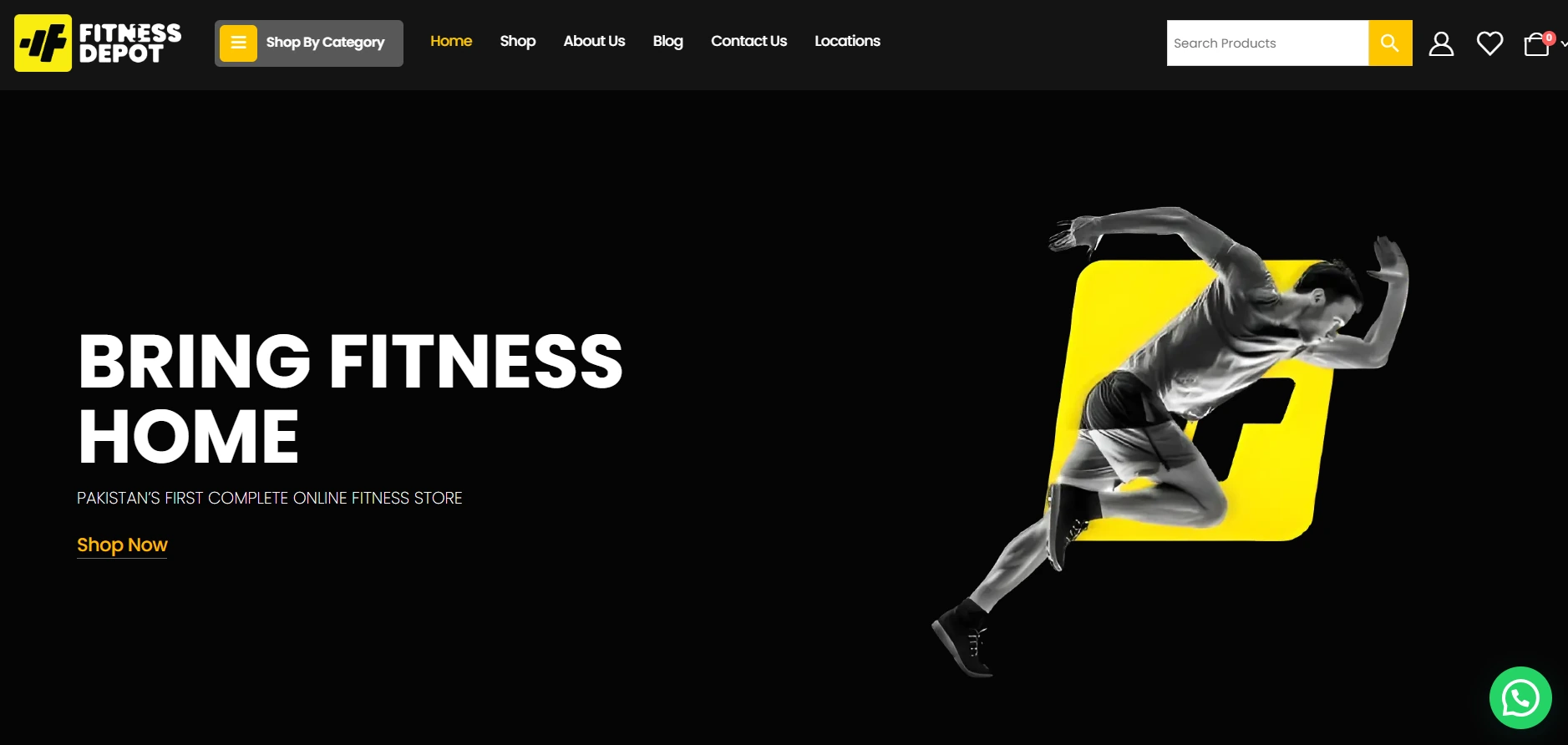
Our Fitness Depot project showcases an e-commerce interface built around a distinctive visual identity, prominent product search, category navigation, and accessible shopping controls. These UI elements help customers browse fitness equipment, explore product categories, and navigate the online store more easily.
These projects reflect how thoughtful UI design, clear navigation, and well-structured digital experiences can support different business needs. Whether you need to improve an existing website or plan a new digital product, Expando focuses on aligning design decisions with your users’ needs and business objectives.
Website ka UX kharab hai ya nahi, kaise pata karein?
Your website may have a UX problem if visitors leave quickly, forms are rarely completed or many shoppers abandon checkout. Other warning signs are confusing navigation, hard to find contact details and pages that are difficult to use on mobile.
Check your analytics for form completion and checkout abandonment, then try completing the main task on your own phone. If you get stuck, your customers probably do too.
Discuss Your UI/UX Design Project
A successful digital experience starts with understanding what users need to accomplish and what your business wants to achieve. A clear design process helps turn those requirements into interfaces that are easier to navigate, maintain, and improve.
If you are planning a website, e-commerce store, or digital product, explore Expando’s web development services or contact our team to discuss your requirements.
Frequently Asked Questions
1. What Services Does a UI/UX Design Company in Pakistan Provide?
A UI/UX design company in Pakistan may provide website and mobile app design, e-commerce UX, user research, wireframing, prototyping, usability testing, and design systems. Depending on the project, services can also include responsive layouts, navigation planning, conversion-focused improvements, and developer handoff to help create a consistent, user-friendly digital experience.
2. How Long Does a UI/UX Design Project Take?
The timeline for a UI/UX design project depends on its complexity, number of screens, research requirements, feedback cycles, and testing needs. A small website redesign may require less time than a complex e-commerce platform or mobile application. The timeline should account for discovery, wireframing, interface design, prototyping, usability testing, and developer handoff.
3. What Affects the Cost of UI/UX Design in Pakistan?
UI/UX design costs in Pakistan depend on project scope, design complexity, the number of pages or screens, user research, prototyping, usability testing, and the required level of documentation. A simple website interface generally involves less work than a feature-rich mobile application. Before hiring a company, confirm the deliverables, revision limits, timeline, and whether the quoted price includes development.
4. Can UI/UX Design Improve Website Conversions?
Yes, effective UI/UX design can create better conversion opportunities by simplifying navigation, improving forms, clarifying calls to action, and reducing friction during checkout. However, results depend on the audience, offer, traffic quality, and implementation. Businesses should measure changes using conversion rate, form completion, checkout abandonment, and successful task completion rather than assuming that a redesign will automatically increase sales.
5. What Is the Difference Between UI/UX Design and Website Development?
UI/UX design focuses on how a website looks, how users navigate it, and how easily they complete tasks. Website development turns approved designs into a functioning website using code, content management systems, and other technologies. The two processes work together: good design establishes the intended experience, while development implements it. Some agencies offer both services as part of one project.