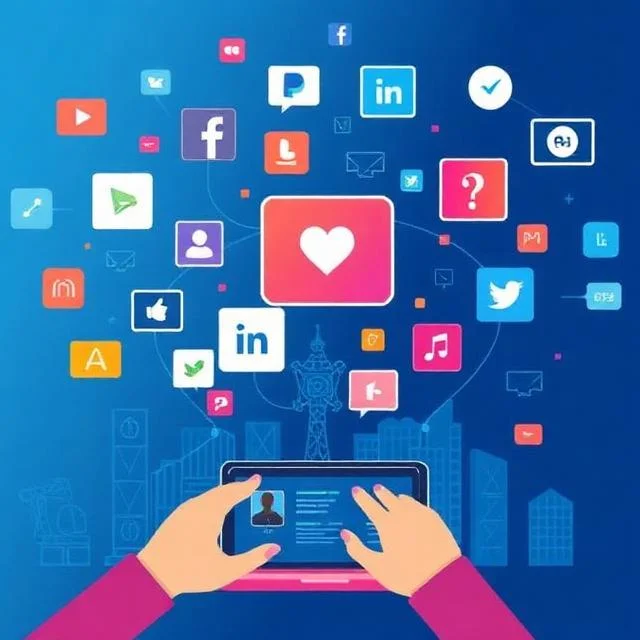
Social media marketing is no longer optional for businesses that want to grow online. The real question most brands face today is whether organic social media marketing or paid social media marketing delivers better results.
The honest answer? It depends on your goals, timeline, and resources.
This guide is written for small to mid-sized businesses, startups, and growing brands that want to make smarter decisions about their social media strategy. Below, we break down organic vs paid social media, explain when each works best, and show how combining both can deliver sustainable growth
What Is Organic Social Media Marketing?
Organic social media marketing refers to unpaid content shared on platforms such as Facebook, Instagram, LinkedIn, X (Twitter), and TikTok. It focuses on building relationships rather than buying attention.
Common organic activities include:
- Regular posts and updates
- Stories, reels, and short-form videos
- Community engagement (comments, replies, shares)
- Educational and brand-building content
Key Benefits of Organic Social Media
- Builds long-term trust and brand credibility
- Strengthens brand voice and community
- Cost-effective for startups and small businesses
- Improves audience loyalty and repeat engagement
Real-world example:
Many service-based businesses use organic content to share tips, behind-the-scenes posts, and customer stories. Over time, this positions them as trusted experts, leading to inbound leads without direct ad spend.
Limitations of Organic Social Media
- Slower growth compared to paid ads
- Limited reach due to platform algorithms
- Requires consistency, patience, and creativity
Key takeaway: Organic social media works best for brand awareness, trust, and engagement, not instant sales.
What Is Paid Social Media Marketing?
Paid social media marketing involves running ads to promote your content, products, or services to a targeted audience. These ads appear in feeds, stories, reels, or sponsored placements.
Common paid social media formats include:
- Sponsored posts
- Lead generation ads
- Video and story ads
- Retargeting campaigns
Key Benefits of Paid Social Media
- Immediate visibility and reach
- Advanced audience targeting (location, interests, behavior)
- Scalable and measurable results
- Faster lead generation and conversions
Real-world example:
An eCommerce brand launching a new product can use paid ads to reach high-intent audiences within days instead of waiting months for organic traction.
Limitations of Paid Social Media
- Requires an ongoing budget
- Results stop when ads stop
- Poor targeting or messaging can waste ad spend
Key takeaway: Paid social media is ideal for speed, testing, and predictable growth.
Organic vs Paid Social Media: Side-by-Side Comparison
| Factor | Organic Social Media | Paid Social Media |
| Cost | Free (time investment) | Requires ad budget |
| Results Speed | Slow | Fast |
| Reach | Limited | Wide and targeted |
| Trust & Loyalty | High | Moderate |
| Scalability | Limited | Highly scalable |
| Best For | Brand building | Conversions & growth |
Which Delivers Better ROI?
There is no one-size-fits-all answer, but here’s the reality most businesses experience:
- Organic social media delivers stronger long-term ROI through trust, authority, and audience loyalty.
- Paid social media delivers stronger short-term ROI for campaigns, launches, and lead generation.
Brands that rely only on one often struggle. The highest-performing businesses combine both strategies instead of choosing one over the other.
When Should You Use Organic Social Media?
Organic social media is the right choice when:
- You are building a new brand
- You want long-term audience trust
- Your budget is limited
- You want to humanize your business
Organic efforts also support SEO indirectly by increasing brand searches, engagement signals, and content visibility across platforms.
When Should You Use Paid Social Media?
Paid social media strategy is the better option when:
- You need quick traffic or leads
- You are launching a product or service
- You want to retarget website visitors
- You need predictable lead flow
Paid campaigns perform best when supported by strong website development, fast-loading pages, and optimized landing experiences.
The Smart Strategy: Combine Organic and Paid Social Media
The most effective approach is organic + paid social media marketing working together:
- Use organic content to build trust and authority
- Identify high-performing organic posts
- Boost those posts with paid ads
- Retarget engaged users with conversion-focused campaigns
- Use paid insights to improve organic content strategy
This hybrid model maximizes reach, engagement, and ROI while keeping costs under control.
Quick Decision Guide
- Limited budget, long-term vision → Organic first
- Fast growth, product launch → Paid
- Sustainable scaling → Organic + Paid together
Final Verdict: Organic or Paid Social Media?
- Organic social media wins for long-term growth and credibility
- Paid social media wins for speed, reach, and conversions
- Together, they deliver the best overall results
If your goal is sustainable success, the real answer isn’t organic or paid. It’s organic and paid, used strategically.
FAQs
Is organic social media still effective in 2026?
Yes. While organic reach is more limited, organic social media remains essential for trust, engagement, and brand authority.
Can small businesses rely only on organic social media?
They can, but growth will be slower. Even a small paid budget can significantly accelerate results.
Which platforms work best for paid social media?
Facebook, Instagram, LinkedIn, and TikTok currently offer the strongest targeting and conversion features.
How long does organic social media take to show results?
Typically 3–6 months of consistent posting, engagement, and content optimization.