Why Website Speed Matters More Than Design for Business Growth
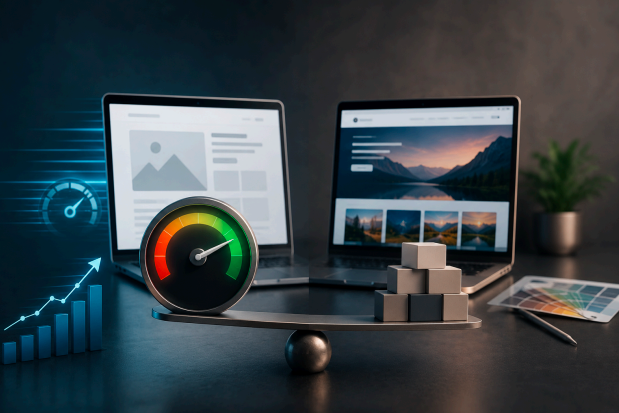
A visually attractive website can create a strong first impression, but if the website loads slowly, most visitors will leave before they even experience the design. In today’s competitive digital landscape, website speed has become one of the biggest factors influencing business growth, customer experience, SEO performance, and conversions.
Many businesses spend months perfecting animations, colors, and layouts while ignoring the technical performance of their website. The reality is simple: users care more about speed and usability than fancy visuals. A fast website builds trust, improves engagement, and helps businesses generate more leads and sales.
For modern businesses, website speed is no longer just a technical feature. It is a growth strategy.
First Impressions Depend on Speed
Studies consistently show that users form opinions about a website within seconds. If a website takes too long to load, visitors often leave immediately without interacting with the content.
A clean and professional design matters, but speed determines whether users stay long enough to appreciate it. Slow-loading pages create frustration and reduce trust in the business behind the website.
When users visit a fast website, they instantly feel that the company is reliable, professional, and modern. This positive experience increases the chances of engagement and conversion.
Slow Websites Directly Reduce Sales and Leads
Every second of delay can impact revenue. Businesses that rely on lead generation, eCommerce sales, bookings, or inquiries can lose potential customers simply because their website performs poorly.
Imagine a user searching for a service online. They open two websites:
- One loads in under two seconds
- The other takes seven seconds to fully open
Most users will choose the faster option, even if the slower website has a better design.
Website speed influences:
- Conversion rates
- User retention
- Bounce rate
- Customer trust
- Mobile experience
- Lead generation
Fast websites reduce friction in the customer journey, making it easier for users to take action.
Google Prioritizes Fast Websites
Website speed is now a major SEO ranking factor. Google wants to provide users with the best possible experience, and fast-loading websites are part of that experience.
Core Web Vitals, introduced by Google, measure how quickly a website loads and responds to users. Websites that fail these performance standards may struggle to rank competitively in search results.
A slow website can negatively affect:
- Search engine rankings
- Organic traffic
- Indexing performance
- Mobile SEO
- User engagement metrics
Businesses investing in SEO should understand that content alone is not enough anymore. Technical website performance plays a major role in visibility.
Mobile Users Expect Instant Loading
Most internet users today browse websites through smartphones. Mobile users are even less patient with slow websites because they are often browsing on the go.
Heavy designs, oversized images, unnecessary animations, and poorly optimized scripts can significantly slow down mobile websites.
A fast mobile experience helps businesses:
- Increase engagement
- Improve mobile rankings
- Reduce bounce rates
- Generate more inquiries
- Improve customer satisfaction
Mobile-first optimization is no longer optional for growing businesses.
Speed Creates Better User Experience
User experience is one of the most important aspects of digital growth. Visitors want quick access to information without delays or interruptions.
Fast websites provide smoother navigation and better interaction. Users can browse products, read blogs, fill out forms, and explore services without frustration.
A slow website creates multiple problems:
- Delayed page transitions
- Broken interactions
- Higher abandonment rates
- Lower customer trust
- Reduced session duration
Businesses that prioritize speed often see better customer engagement and improved overall performance.
Heavy Designs Can Hurt Website Performance
Modern web design trends sometimes focus too much on aesthetics and not enough on functionality. While animations and visual effects may look impressive, they can negatively impact loading speed if not implemented properly.
Some common elements that slow websites include:
- Large uncompressed images
- Auto-playing videos
- Excessive animations
- Poor hosting
- Unoptimized code
- Too many plugins
- Heavy JavaScript frameworks
The best business websites balance design and performance. Clean, lightweight, and optimized websites usually outperform visually overloaded websites.
Faster Websites Improve Customer Trust
Users associate website performance with business credibility. A slow website can make a business appear outdated or unreliable.
Imagine entering an online store where pages freeze or load slowly. Most users immediately question the professionalism of the company.
Fast websites create a smoother buying experience and improve customer confidence. This is especially important for:
- eCommerce stores
- Service-based businesses
- SaaS companies
- Healthcare providers
- Educational platforms
Trust directly impacts conversion rates and long-term customer relationships.
Website Speed Affects Paid Advertising Performance
Businesses investing in Google Ads or social media advertising should pay close attention to website speed. Slow landing pages can waste advertising budgets by increasing bounce rates and reducing conversions.
Fast-loading landing pages help improve:
- Ad quality scores
- Conversion rates
- Cost per acquisition
- User engagement
- Return on ad spend
Even highly targeted ads cannot perform well if the landing page experience is poor.
Technical Optimization Is the Future of Web Growth
Businesses that invest in high-performance web development often achieve better rankings, higher engagement, and improved conversion rates. Modern users expect websites to load quickly and work smoothly across all devices. This is why businesses are now focusing more on speed, scalability, mobile responsiveness, and user experience rather than relying only on visual design.
Some of the most effective website speed optimization techniques include:
Optimizing Images
Large images are one of the biggest causes of slow websites. Compressing and properly sizing images can significantly improve loading times.
Using Better Hosting
Cheap hosting often results in slow server response times. High-performance hosting improves website reliability and speed.
Reducing Unnecessary Scripts
Removing unused plugins and scripts helps reduce page weight and improve performance.
Implementing Caching
Caching stores website data temporarily, allowing pages to load faster for returning visitors.
Using Content Delivery Networks
CDNs distribute website content across multiple global servers, improving loading speed for users worldwide.
Speed Matters More Than Visual Perfection
A website does not need flashy animations or complex graphics to succeed. Users primarily want:
- Fast loading
- Easy navigation
- Clear information
- Mobile responsiveness
- Smooth browsing experience
Businesses that focus only on design while ignoring speed often struggle with conversions and SEO performance.
In contrast, businesses with fast and user-friendly websites usually experience:
- Better rankings
- More traffic
- Higher engagement
- Increased leads
- Improved customer retention
Conclusion
Website speed has become one of the most important factors for online business growth. While design still matters, performance has a much bigger impact on user experience, SEO, and conversions.
A fast website helps businesses build trust, rank higher on Google, retain visitors, and generate more leads. In an era where users expect instant results, speed is often the difference between winning and losing customers.
Businesses looking to grow online should treat website optimization as a long-term investment rather than just a technical improvement. The future belongs to websites that are fast, responsive, and built around user experience.
Ready to Speed Up Your Website?
A slow website can cost your business valuable traffic, leads, and sales. At Expando Digital Agency, we build fast, SEO-optimized, and conversion-focused websites that help businesses grow online. Whether you need performance optimization or a complete website redesign, our team can help you create a faster and more effective digital experience.
Get in touch today and transform your website into a growth-driving asset for your business.
FAQs
Why is website speed important for SEO?
Website speed is a Google ranking factor. Faster websites provide better user experience, which helps improve search engine rankings and organic traffic.
How fast should a business website load?
Ideally, a website should load within two to three seconds. Faster loading times usually result in lower bounce rates and better engagement.
Can a beautiful website still fail because of slow speed?
Yes. Even visually attractive websites can lose visitors and sales if they load slowly or perform poorly on mobile devices.
What are the biggest causes of slow websites?
Common causes include large images, poor hosting, excessive plugins, heavy scripts, and unoptimized code.
Can improving website speed increase conversions?
Yes. Faster websites improve user experience, reduce frustration, and make visitors more likely to complete purchases or contact the business.