Why Your Website Ranks on Google but Fails to Generate Leads
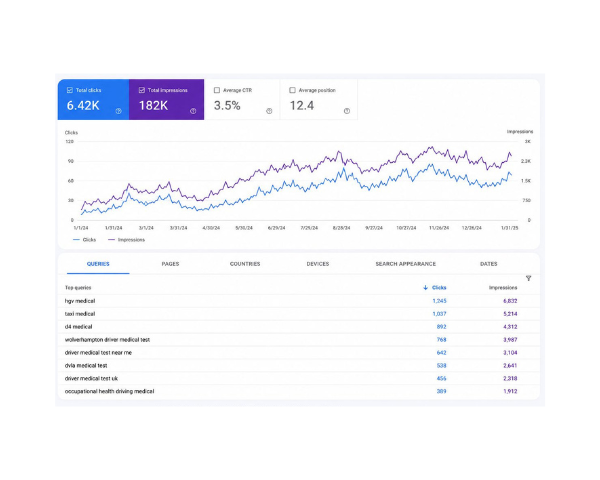
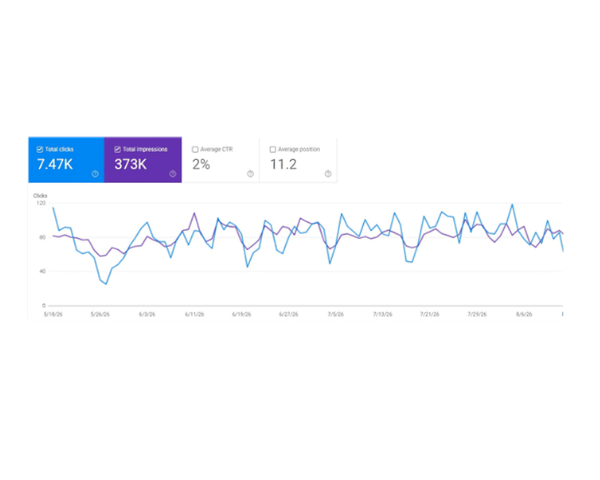
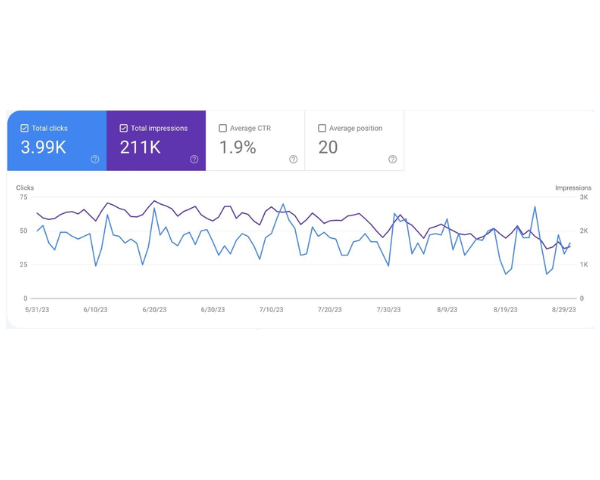
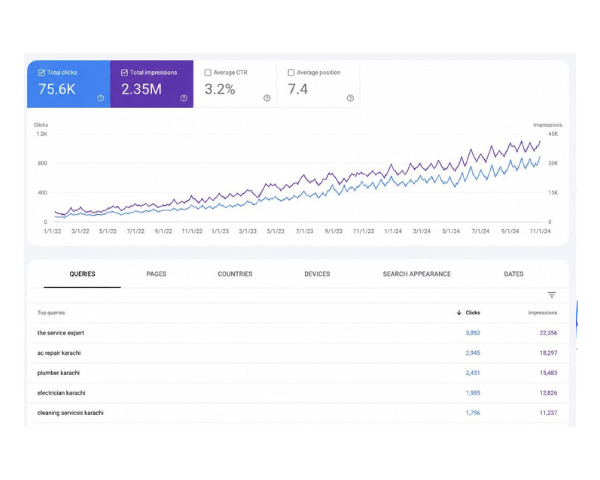
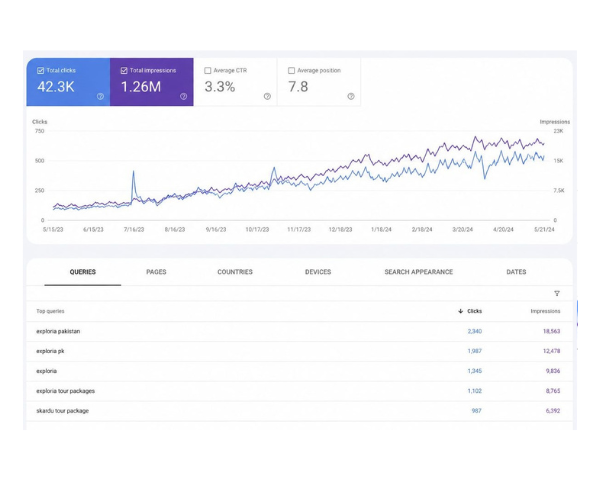
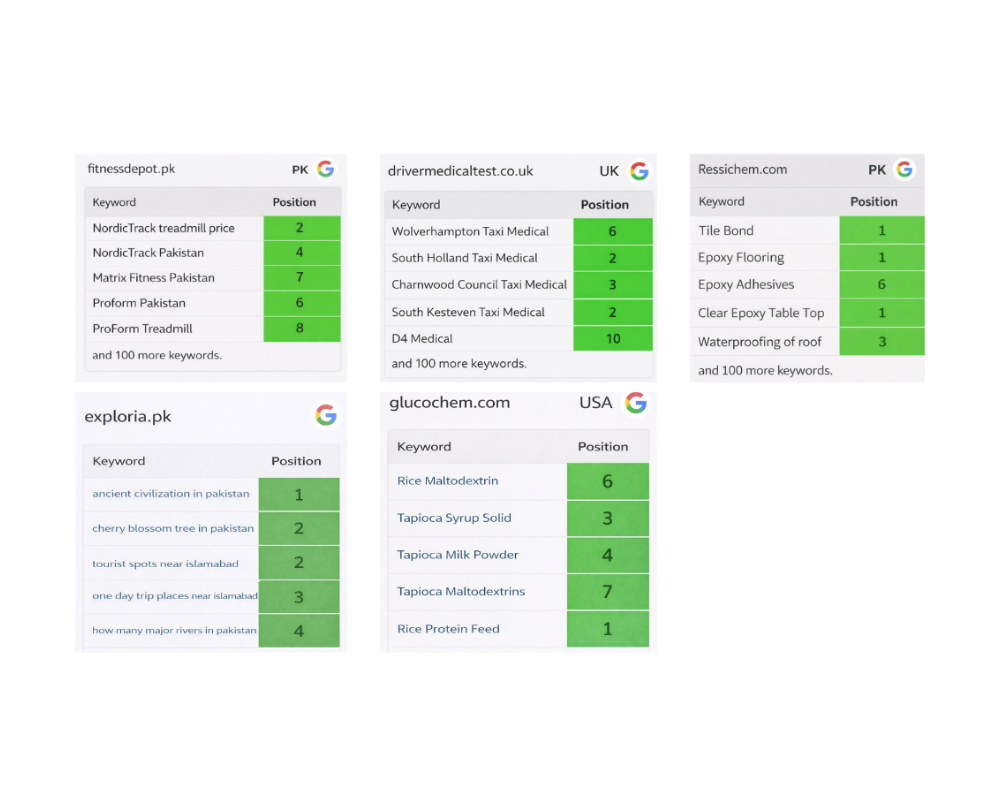
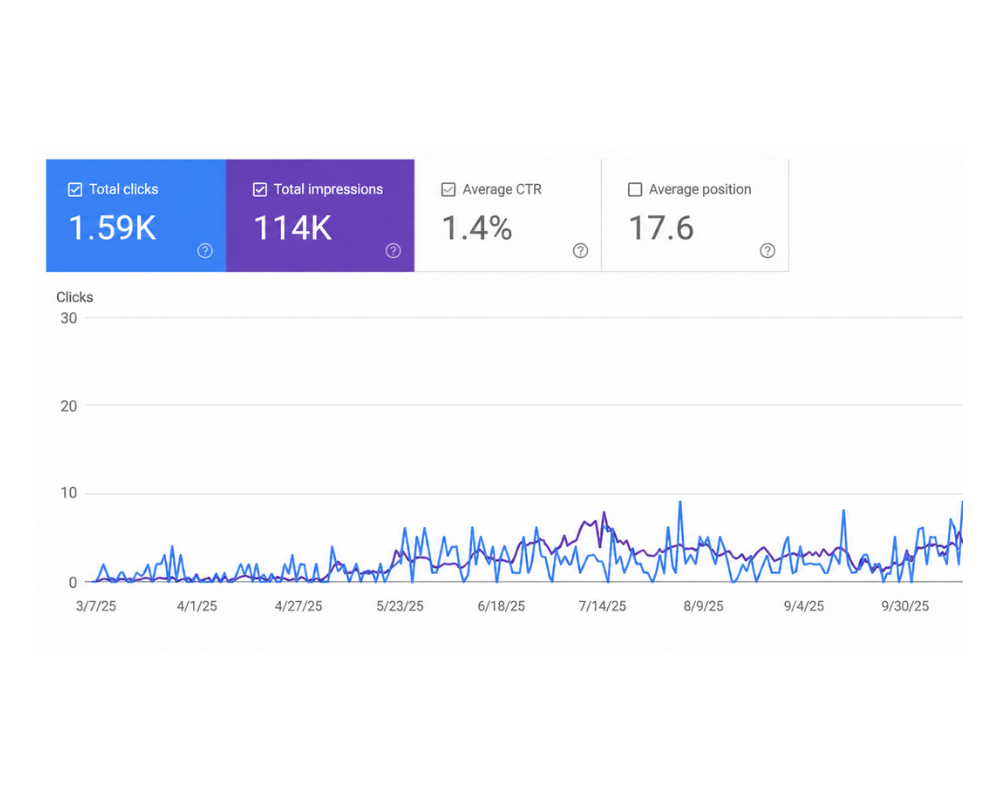
Getting your website to rank on Google is a big achievement, but ranking alone does not guarantee business growth. Many businesses celebrate high keyword rankings only to realize that their traffic does not translate into inquiries, sales, or sign-ups. This gap between visibility and conversion is one of the most common problems in digital marketing.
If your website is getting traffic but not generating leads, it usually means something is broken in your user journey, messaging, or strategy. This article explains the real reasons behind this issue and how you can fix it.
Ranking Does Not Equal Intent Match
Even if your website ranks, it is important to understand that ranking itself comes with its own challenges. Many businesses still face issues like why their website is not ranking on Google, which impacts overall performance.
One of the biggest misconceptions is that ranking automatically brings the right audience. In reality, your website might be ranking for keywords that attract visitors who are not ready to convert.
For example, if your content targets informational queries instead of transactional ones, users may visit your site only to learn something and leave without taking action. This results in high traffic but low conversion rates.
To fix this, you need to align your keywords with search intent. Focus on keywords that show buying or decision intent, such as best services near me, pricing, or comparison based queries.
Weak Call to Action
Even if you attract the right audience, a weak or unclear call to action can stop conversions completely. Many websites either hide their call to action or make it too generic.
If users do not know what to do next, they simply leave.
Your call to action should be clear, visible, and persuasive. Instead of writing contact us, try more action oriented phrases like get a free consultation, request a quote, or book your demo today.
Placement also matters. Your call to action should appear above the fold, within content, and at the end of the page.
Without a strong conversion strategy, even high traffic will not generate results. Learning how to turn SEO traffic into paying customers can significantly improve your outcomes.
Poor User Experience
User experience plays a major role in lead generation. If your website is slow, difficult to navigate, or not mobile friendly, users will not stay long enough to convert.
Common user experience issues include slow loading speed, cluttered layout, confusing navigation, and broken links.
A well-structured website with a clean design, fast loading time, and easy navigation improves trust and keeps users engaged.
Content That Does Not Build Trust
Ranking content is often written to please search engines rather than users. While it may help you rank, it does not always build trust or authority.
If your content lacks depth, real examples, case studies, or clear solutions, users will not see you as an expert.
To generate leads, your content must answer real problems, provide value, and position your brand as a reliable solution provider.
Include testimonials, portfolio examples, and real results to strengthen credibility.
Lack of Conversion Focused Design
Many websites are designed for aesthetics rather than conversions. A beautiful website is good, but if it does not guide users toward taking action, it fails its purpose.
Conversion-focused design includes elements such as clear headings, structured sections, highlighted benefits, and the strategic use of forms.
Reduce distractions and make your key message stand out. Every page should have one primary goal.
Targeting the Wrong Audience
Sometimes the issue is not your website but your targeting strategy. If your traffic comes from irrelevant locations or demographics, conversion will naturally be low.
For example, if your services are for international clients but most of your traffic comes from local users who cannot afford your services, you will not see results.
Use analytics tools to understand your audience and refine your targeting strategy accordingly.
No Clear Value Proposition
Your website should immediately answer one question for visitors which is why should they choose you.
If your value proposition is unclear or generic, users will not feel compelled to take action.
Avoid vague statements and clearly highlight what makes your business unique. Focus on benefits instead of features.
For example, instead of saying we offer digital marketing services, say we help businesses increase qualified leads through data driven marketing strategies.
Ineffective Landing Pages
Many businesses drive traffic to their homepage instead of dedicated landing pages. This reduces conversion rates because homepages are not designed for specific campaigns.
Landing pages should be focused, distraction free, and aligned with the user’s intent. Each campaign should have its own landing page with tailored messaging and a clear call to action.
Not Tracking User Behavior
If you are not tracking how users interact with your website, you are missing valuable insights.
Tools like analytics and heatmaps help you understand where users drop off, what they click, and how they navigate your site.
This data allows you to make informed improvements instead of guessing.
Lack of Trust Signals
Trust is a key factor in lead generation. If your website lacks trust signals, users will hesitate to share their information.
Important trust signals include client testimonials, reviews, certifications, case studies, and secure website indicators.
Adding these elements can significantly improve your conversion rate.
How to Improve Lead Generation from Your Website
Focus on improving both traffic quality and user experience. Optimize your content for intent-based keywords. Strengthen your call to action and make it more visible.
Improve website speed and usability. Create dedicated landing pages for campaigns. Add trust-building elements like testimonials and case studies.
Most importantly, continuously test and optimize your pages based on data.
FAQs
Why is my website getting traffic but no leads?
This usually happens when your traffic is not aligned with user intent or your website lacks strong calls to action and trust elements.
How can I improve my website conversion rate?
Improve user experience, add clear calls to action, use high-quality content, and create focused landing pages.
Does SEO guarantee leads?
No, SEO brings visibility and traffic. Lead generation depends on how well your website converts visitors.
What is the role of user experience in lead generation?
User experience directly affects how long users stay on your site and whether they take action. A poor experience leads to high bounce rates.
Should I use landing pages instead of a homepage?
Yes, landing pages are more effective for campaigns because they are focused and designed for specific goals.
How important are trust signals on a website?
Trust signals are very important. They help build credibility and encourage users to take action.